
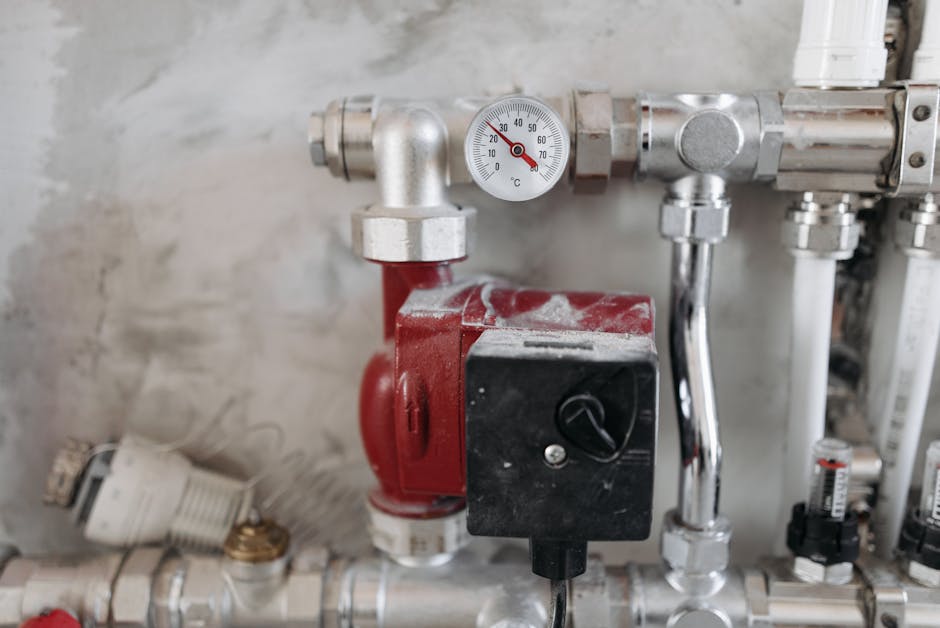
If you wait until the first hard freeze in Skokie, you can expect longer delays and a higher chance of a cold house. Replace a failing boiler in October and you avoid the worst scheduling crunch and the secondary damage from a burst pipe or frozen condensate trap.
Quick decision rules: age, repair history, and efficiency
Start with three numbers and make your call. If the boiler is older than 15 years, if you've had repairs totaling roughly half the cost of a new unit in the last two years, or if the annual fuel use has climbed noticeably, replacement is reasonable. Those are the common thresholds HVAC pros use: 15 years, a 50% repair-cost rule, and rising fuel bills by 10% or more year-over-year.
October checklist: what to inspect now
Do these checks this month. Mark each item DIY or Pro and note why it matters for Skokie homes.
- Check the pilot or ignition and burner flame (DIY/Pro): A steady blue flame is normal; a yellow or floating flame points to combustion issues or dirty burners. In Cook County's winter, poor combustion raises CO risk and reduces efficiency.
- Listen for short cycling (Pro): Systems that turn on and off rapidly waste fuel and wear controls. Short cycling usually means improper sizing, failed controls, or clogged heat exchangers—common in older Tudor and bungalow homes with retrofitted systems.
- Review repair receipts (DIY): Add up parts and labor from the last 24 months. If you're near that 50% replacement threshold, plan to replace before heavy use spikes in December.
- Measure boiler operating efficiency or note fuel bills (Pro): A pro can run a combustion analysis; expect to replace if measured efficiency falls well below the equipment's rated efficiency or your fuel bill jumps by about 10%.
- Inspect condensate lines and outdoor vents (DIY): Clear visible clogs and check that vent terminations aren't obstructed by leaves or early-season snow—Skokie gutters and downspouts can dump moisture near vent exits.
- Check for rust, leaks, and pressure loss (DIY/Pro): Any active water leaks or repeated low-pressure trips are a call-it-in item; corrosion on the heat exchanger is a replacement signal.
Repair vs replace: the numbers that matter
Use age plus cost as your guide. Nationally, simple repairs like a control board, zone valve, or circulator pump run from a few hundred to about $1,200. Major heat-exchanger work or frequent burner repairs push past $2,000. Replacement typically falls between $4,000 and $9,000 depending on boiler type, capacity, and venting needs—condensing vs. non-condensing, cast-iron vs. steel, and whether cast-iron sections must be swapped out to fit tight basements common in North Shore homes.
What drives price in Skokie: the boiler's Btu/hour sizing (match the house load, not the old tag), whether you need new flue or PVC condensate routing for a high-efficiency condensing unit, and any required upgrades to gas lines or electrical. Ductwork rarely matters for boilers, but piping, pumps, and zone controls do.
Financing, scheduling, and how Ultimate HVAC handles installs
If you decide to replace, plan for a typical install window in October of 1–3 days for a straight swap and up to a week if the job needs new venting, piping reroutes, or a new condensate pump. We offer same-day service and 24/7 emergency support when systems fail hard during a cold snap.
Local maintenance steps to delay replacement
Do these to push the calendar out a year or two: change primary filters every 1–3 months, flush sediment from low-water cutoffs annually, and have the burner cleaned and combustion checked once per year before the heavy-use months. These practices matter in Skokie's climate where long cold stretches make a marginal boiler fail faster.
The one thing to do first
If you do nothing else this October, get a professional combustion and pressure test. That single check distinguishes a tune-up from a replacement and gives you concrete numbers on efficiency and safety. Book an inspection with a pro experienced in Skokie boiler work; see our Boiler Installation & Repair Services in Skokie for what a pro inspection covers.