
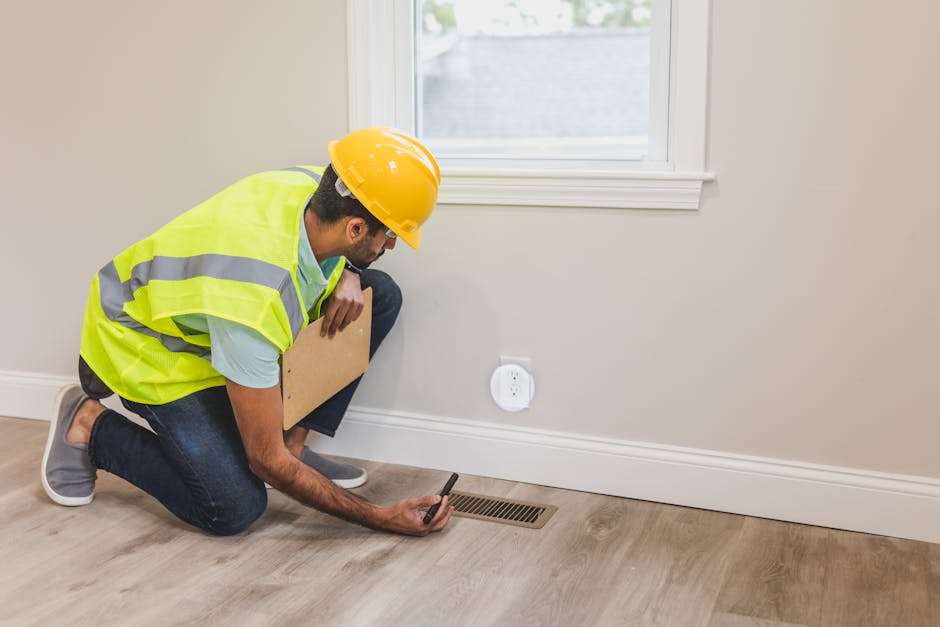
When cooling bills climb in July and August, most homeowners look first at the thermostat, then at the outdoor condenser. The ductwork — the network of sheet metal and flex pipe threading through attics, crawl spaces, and wall cavities — rarely gets a second thought. Yet in many Skokie homes, that hidden system is where a significant share of paid-for cool air quietly disappears. If your air conditioner seems to be working harder for less comfort, the ducts deserve a close look.
Why Ducts Matter More Than People Realize
A central air system is only as efficient as the pathway that delivers its conditioned air. Industry studies have found that typical residential duct systems lose 20 to 30 percent of the air moving through them to leaks, poor connections, and inadequate insulation. That means a portion of every dollar spent cooling the house never reaches a living space.
The problem tends to reveal itself late in the season, when outdoor temperatures peak and the system runs for longer stretches. Small inefficiencies that go unnoticed in June become expensive by August.
Rooms That Never Feel Right
One of the clearest signs of ductwork problems affecting cooling efficiency is uneven temperatures from room to room. If the upstairs bedrooms stay warm while the living room feels comfortable, or a finished basement runs cold while the kitchen stays muggy, the ducts feeding those rooms may be leaking, undersized, kinked, or poorly balanced.
Older homes that have been renovated or expanded are especially prone to this. Ducts that were sized for the original floor plan may not have been updated when rooms were added or reconfigured.
Weak Airflow at the Registers
Hold your hand near a supply register while the system is running. The airflow should feel steady and firm. If it feels weak, fluttery, or barely there — particularly at registers farthest from the air handler — something is interfering with the flow. Common causes include disconnected duct sections in an attic or crawl space, crushed flex duct, closed or blocked dampers, and heavy dust buildup restricting the interior of the pipe.
Weak airflow forces the system to run longer to hit the thermostat setpoint, and longer run times translate directly into higher bills.
Dust That Keeps Coming Back
If you dust the shelves on Saturday and find a fresh layer by Wednesday, the ducts may be part of the story. Return-side leaks pull air in from attics, basements, garages, and wall cavities, dragging dust, insulation fibers, and outdoor particulates into the system. Supply-side leaks in unconditioned spaces then push conditioned air out of the house.
Both problems compromise indoor air quality and force the air conditioner to condition outside air it was never meant to handle.
Long Run Times and a System That Never Rests
A properly sized and sealed system in a Chicago-area summer should cycle on and off throughout the day. If the unit runs almost continuously on a 90-degree afternoon and still struggles to hold the setpoint, either the equipment is undersized or, more commonly, the duct system is losing capacity somewhere between the air handler and the rooms.
Long run times are also hard on the equipment itself. Compressors and blower motors that rarely rest tend to fail earlier than they otherwise would, adding replacement costs on top of inflated energy bills.
Visible Clues in the Basement, Attic, or Crawl Space
You can learn a lot from a flashlight inspection. Look for duct sections held together with cloth-backed tape that has dried and peeled away, joints separated at elbows and takeoffs, flex duct sagging or pinched over pipes and framing, and insulation that has fallen off or been compressed. Rust or water staining on sheet metal can point to condensation problems, which often indicate uninsulated ducts running through humid, unconditioned space.
Any of these findings suggests the system is not delivering what it was designed to deliver, and that your utility bill is picking up the difference.
Humidity That Lingers Indoors
Air conditioners do two jobs: they lower temperature and they remove moisture. When ducts leak in unconditioned areas, humid outside air infiltrates the home to replace the conditioned air being lost. The result is a house that feels clammy even when the thermostat reads 72. Sticky indoor air often prompts homeowners to drop the setpoint further, compounding the energy penalty.
If your home has felt more humid this summer than last, without any change in equipment, the duct system is a reasonable place to investigate.
A Practical Next Step
Before the next heat wave, walk the accessible portions of your duct system with a flashlight and note what you see. Pay attention to which rooms are hardest to cool and how the airflow feels at each register. If several of the signs above sound familiar, ask a qualified HVAC contractor in the Skokie area to perform a duct inspection, and where appropriate, a static pressure test or duct leakage test. Sealing accessible leaks, insulating ducts in unconditioned spaces, and correcting airflow imbalances are generally far less expensive than replacing equipment — and they often pay back through lower cooling bills for the rest of the season and every season after.