
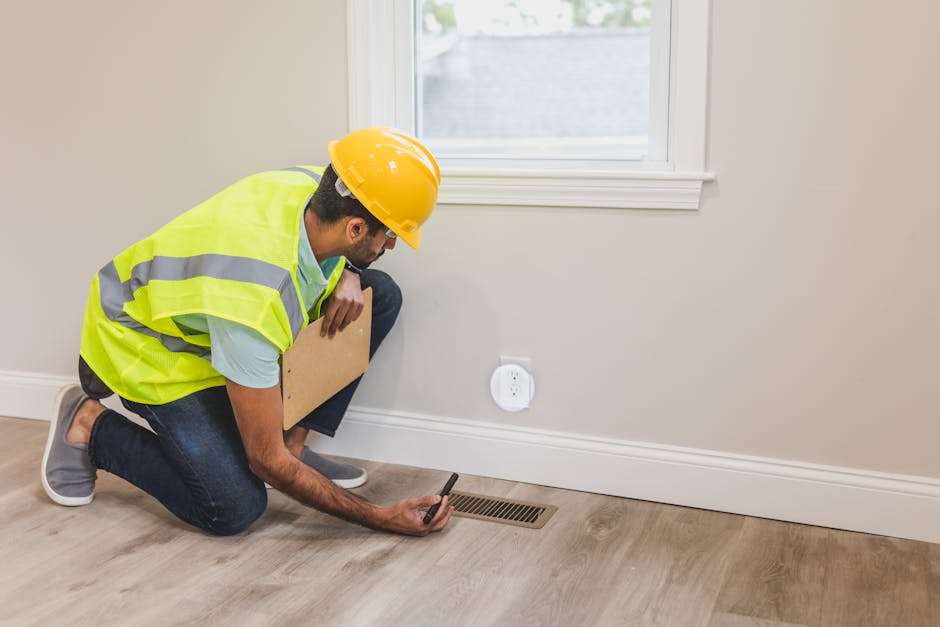
Most homeowners notice uneven cooling in the same way: one bedroom feels stuffy at bedtime while the living room stays comfortable, or an upstairs office runs several degrees warmer than the thermostat suggests. Before the Skokie summer tapers off, it's worth spending an hour walking your house with a simple checklist. What you find now can tell you whether the issue is minor, worth a professional look, or a sign of a larger system problem heading into next season.
What Even Cooling Actually Looks Like
In a well-balanced home, room-to-room temperatures should generally stay within about two to three degrees of the thermostat setting during normal operation. Small variations are expected. A west-facing room in late afternoon will run warmer than a shaded north bedroom, and second floors typically sit a degree or two above the first. Those differences are physics, not failure.
The concern starts when the gap widens past three or four degrees, when specific rooms never reach the setpoint, or when the system runs constantly to keep one part of the house comfortable while another is too cold. That pattern is the core symptom of uneven cooling in a home HVAC system.
The Simple Room-by-Room Test
You don't need specialized tools for a first pass. A basic indoor thermometer, or even a second smart thermostat sensor, will do. Set your central thermostat to a normal cooling temperature and let the system run for at least an hour so conditions stabilize. Then place the thermometer in the center of each room, about three or four feet off the floor, and give it five minutes to settle before reading.
Record the temperature in every conditioned room, including hallways and finished basements. Note the time of day, the outdoor temperature, and which direction each room faces. Repeat the walk-through in the late afternoon, when solar load is at its peak, because that's when weaknesses in the system tend to show up most clearly.
Reading the Airflow at Each Vent
Temperature tells you the result; airflow tells you why. Hold your hand a few inches below each supply register while the system is running. You should feel a steady, cool stream. Weak flow at a specific vent, or air that feels only slightly cooler than room temperature, points to a delivery problem rather than a capacity problem.
Also check return grilles. If a piece of paper won't stick to the return when the fan is running, or if returns are blocked by furniture, rugs, or closed doors, the system can't move air properly no matter how well the equipment itself is performing.
Common Causes Behind the Hot Spots
Uneven cooling usually traces back to a short list of culprits. Dirty filters and coils reduce overall capacity and tend to starve the rooms farthest from the air handler first. Crushed, disconnected, or poorly insulated ducts in an attic or crawlspace can lose a surprising amount of cool air before it ever reaches a register. Closed or partially closed dampers, sometimes left over from a previous season, throw off the balance the system was designed for.
Envelope issues matter too. Under-insulated attic spaces above second-floor bedrooms, leaky recessed lights, and sun-facing windows without shading can overwhelm even a properly sized system in the hottest part of the day. In older Skokie homes, additions and finished attics are frequent trouble spots because the original ductwork wasn't designed for the added square footage.
What You Can Address Yourself
Some fixes are genuinely DIY. Replace the filter if it's been more than a month or two. Open every supply register fully and confirm nothing is blocking returns. Walk through any accessible ductwork in the basement and look for obvious disconnections, crushed flex duct, or tape that has given up. Close blinds on sun-facing windows during peak hours and consider door undercuts or transfer grilles for rooms that stay hot with the door closed.
These steps solve a meaningful share of complaints. If the room-to-room spread tightens after a filter change and a vent audit, the system is probably fine and just needed attention.
When It's Time to Bring in a Professional
Call a licensed HVAC contractor when the temperature spread between rooms stays above four degrees after the basics are handled, when airflow is weak throughout the house rather than at one register, or when the system runs almost continuously without reaching the setpoint on hot afternoons. Those symptoms point to duct design problems, refrigerant charge issues, an undersized or aging system, or a combination of factors that require measurement rather than guesswork.
A qualified technician can perform static pressure readings, measure airflow at each register, check refrigerant levels, and evaluate whether zoning, duct modifications, or equipment changes make sense. That diagnostic work is what separates a real fix from a temporary one.
Your Next Step Before Summer Ends
Late summer is a useful window. The system has been running hard for months, so problems are visible, and there's still time to schedule repairs before the season closes out. Spend an hour this week doing the walk-through, write down the numbers, and keep the notes. If the pattern points to something beyond a filter and a few open vents, reach out to a trusted local HVAC company in the Skokie area and share what you found. Walking in with data makes the diagnosis faster and the repair more targeted.