
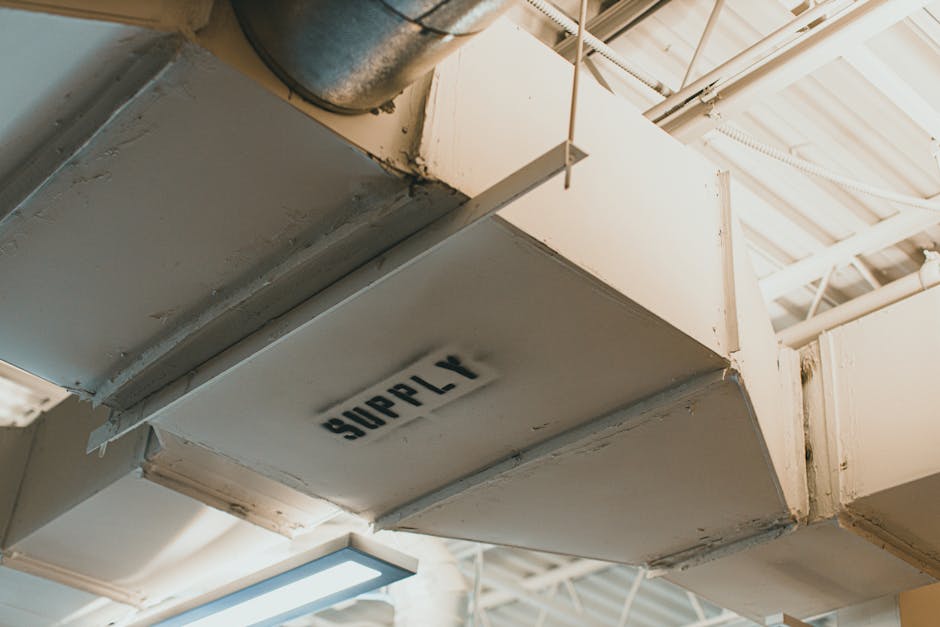
Do this in October. The first cold snap in Skokie can show you where heat is leaking—usually in attic runs, basement trunks, or at old register boots—and skipping these checks means one more high gas bill and a colder house in November.
Quick seasonal checklist (do these this month)
- Inspect visible ducts for gaps and disconnected seams — DIY. Walk your basement, attic, and crawlspace. Look for mastic or foil tape failures, loose slip joints, and crushed flexible runs. Even a few 1-inch gaps in the attic can waste 10–20% of your heat.
- Check and change filters (1–3 months) — DIY. Use the filter thickness the system was designed for; most furnaces on Skokie homes take 1" or 4" filters. Restricted filters raise static pressure and cut airflow, which makes rooms colder and drives up run-time.
- Tape or seal around boot-to-floor connections — DIY or pro for tricky spots. If boots are loose or have gaps at the drywall, use foil tape for a quick patch. If you see torn boots or lots of missing insulation, plan for a pro visit.
- Feel for cold spots along duct runs in unheated attics — DIY with thermometer. Run the system and move a hand or cheap infrared thermometer along the duct. A >20°F drop between the register and attic-run suggests missing insulation or long, leaky ducts common in older Skokie bungalows.
- Look for return air problems — pro if unsure. Closed bedroom doors with no return grille or undersized returns cause pressure imbalances. Measure return grille size against register counts; if it’s undersized, a pro should evaluate and rework returns or add transfer grilles.
What to call a pro for and why
If you find persistent drafts at seams, drooping flex runs, or a strong attic–house temperature difference, call a pro. These symptoms point to leaks, collapsed insulation, or improper sizing—things that take tools and blower-door or duct-blaster testing to diagnose correctly.
Professional duct sealing typically uses mastic, aerosolized sealants, or mechanical repairs. In Skokie’s seasonal cycle—hot, humid summers and cold, dry winters—leaks that open in summer will have a bigger effect on winter heating costs because warm air escaping into a cold attic costs more per cubic foot than the same loss in summer cooling.
We recommend linking a duct inspection to any planned furnace or AC work; duct issues are often the reason a new furnace or condenser doesn’t improve comfort. Read more on ductwork options and repairs at Ductwork Installation & Repair in Skokie, IL.
Quick tests to spot trouble (DIY, 15–45 minutes)
- Register-by-register check. Turn on heat to a steady setting and feel each register. Note rooms that never get warm and compare to nearby registers; if the register is warm but the room isn't, check doors and returns.
- Static pressure check (pro recommended). Elevated static pressure above 0.5" wc indicates restricted ductwork or an oversized filter; that needs a tech with a manometer.
- Return airflow test. Close a bedroom door, hold a square of toilet paper near the door gap or transfer grille; if it doesn’t pull in, there's no proper return path and a pro should add one or rebalance the system.
Repair vs replace: practical numbers
Small repairs—sealing seams, adding insulation, replacing a torn flex run—typically run in the low hundreds to around $1,000 nationally, depending on access and attic complexity. Full duct replacement for a whole house ranges from about $3,000 to $8,000 nationally, driven by square footage, number of runs, and whether you need new boots or returns.
If your system is older than 15 years and the ductwork is significantly damaged, replacement may be the better long-term choice. If the equipment is newer and the ducts are the bottleneck, sealing and targeted repairs usually deliver faster savings. Tie duct work to any furnace or AC quote—don’t accept a replacement without airflow numbers.
Seasonal maintenance cadence and local notes
Change filters every 1–3 months. Clean coils and inspect ducts annually—right before heating season in October is ideal for Skokie, because you catch summer-expansion damage and fix it before the first heating bills. If you have a summertime swamp cooler setup, check attic-mounted ducts for summer heat gain; poorly insulated attic ducts can drop 10–20% system efficiency in the dead of winter.
If you plan a furnace install this fall, read about timing and questions to ask at Why September Is the Right Time to Book Furnace Installation in Skokie.
The one thing to do first
If you do nothing else this October, change the filter and walk the accessible ducts to look for disconnected seams and crushed flex. It takes 15 minutes. If you find more than a few visible gaps or the house still has cold rooms after that, schedule a professional duct inspection and sealing.