
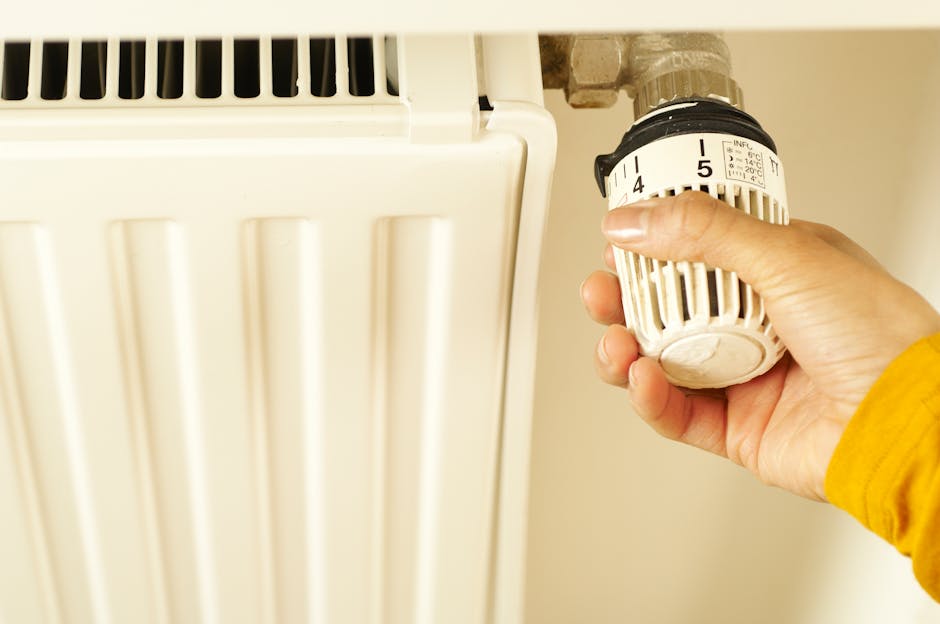
A homeowner notices a living-room radiator stone-cold while the hallway radiators are hot—she cracks the air vent wider, cranks the thermostat, and ends up with a noisy boiler and a cold room. That "fix" looks like action, but it usually just shifts flow to the path of least resistance and hides the real problem. Below are the common mistakes people make in October when a boiler heats unevenly, why those moves fail in Skokie winters, and what to do instead.
1. Bleeding one radiator and calling it done
What people do: They find an air-bound radiator, open the bleeder valve, get a little sputter of air, and assume the system is back to normal.
Why it seems reasonable: Trapped air does stop heat transfer, so letting it out feels like the obvious fix.
What actually happens: Bleeding one radiator can help that one but leaves the main circulation issues untouched—low flow from a weak circulator, zone valve problems, or a partially closed balancing valve will still starve other radiators. In Skokie's cooler October nights, systems run longer and reveal these flow problems fast.
What to do instead: After bleeding, check that the boiler's circulating pump is running and that zone valves are opening. If radiators still lag, have the system checked for proper flow and pump head. For boiler repairs and service in Skokie, see our Boiler Installation & Repair Services in Skokie, IL.
2. Cranking the thermostat higher
What people do: They raise the setpoint 5–10°F hoping the cold room will catch up faster.
Why it seems reasonable: More demand should push more heat through the system, right?
What actually happens: Higher setpoints may make the boiler run longer, but won't fix imbalances. Longer runs can lead to short-cycling on oversized boilers or overheating in zones that are already fine. That wastes fuel and increases wear—especially noticeable during shoulder months like October when outdoor temps swing from 50s to 30s.
What to do instead: Instead of higher setpoints, use radiator valves or thermostatic radiator valves (TRVs) to fine-tune room-by-room output, and verify the system's control sequencing. If controls are confusing or the boiler is cycling, contact a pro to check sizing and control logic; our Furnace Installation & Heating Services in Skokie, IL page explains how proper controls make a difference.
3. Ignoring cold spots because "it’s just old piping"
What people do: They assume radiators or piping that are colder near the end of a run are just wear-and-tear and delay diagnosis.
Why it seems reasonable: Old houses in Skokie often have long, convoluted runs and mixed pipe sizes, so degradation feels inevitable.
What actually happens: Cold spots usually point to restrictions—sludge build-up, partially closed valves, or undersized piping for the loop. Over time those restrictions force the boiler to work harder and can cause corrosion or pump cavitation.
What to do instead: Have the loop inspected for sludge and consider a chemical flush if sediment is present; inspect valve positions and replace badly undersized runs. Duct and piping layout in older Skokie homes often needs rebalancing to match current living patterns—see why ductwork and proper layouts matter in Bad Ductwork Doesn't Fix Itself Over the Summer. Here's the Proof.
4. Relying on a single thermostat for a multi-zone system
What people do: They leave one thermostat in the hallway to control the whole house and expect even comfort.
Why it seems reasonable: Simple, cheap, and often how old systems were wired—one stat, one relay.
What actually happens: A single thermostat can't see temperature variance across floors or rooms. One area will hit setpoint and shut down circulation while others stay cold. In tight Skokie rowhouses with poor return paths, this shows up fast on chilly mornings.
What to do instead: Add zone controls or thermostats to trouble spots, or at least move the main thermostat to a representative location. If you're unsure whether zoning is right, our page on Ductwork Installation & Repair in Skokie, IL covers how airflow and zoning interact.
5. Skipping annual maintenance because the boiler "worked last year"
What people do: They skip a fall checkup and assume seasonal start-up will be trouble-free.
Why it seems reasonable: Boilers are out of sight and people remember heat being OK last winter, so they delay spending time or money on a tune-up.
What actually happens: Small issues compound. A dirty heat exchanger, sticky gas valve, weak ignition, or worn circulator quietly reduce output and efficiency. Come late October cold snaps, those marginal failures become full breakdowns. Maintenance should catch low water pressure, corroded fittings, and control drift before they leave you waiting.
What to do instead: Do a fall check: inspect the burner flame color, confirm proper pressure (typically 12–15 psi in many residential systems when cold), test the expansion tank, and run each zone while feeling for flow. Replace or clean parts as needed. If you're not comfortable, book a professional tune-up—the timing matters in Skokie's seasonal cycle.
6. Using the wrong expansion or relief valve settings (dangerous)
What people do: They or an inexperienced technician swap components or adjust pressure settings to "force" better heating.
Why it seems reasonable: Higher system pressure can push more water through radiators and temporarily warm cold rooms.
What actually happens: Incorrect expansion tank settings or relief valve setpoints can create dangerous overpressure. A yellow burner flame (if visible) or unusual odors can also indicate combustion or pressure issues that need immediate attention. This is not a homeowner DIY fix—it's a safety risk.
What to do instead: If you see pressure climb above the normal cold range (commonly over 20 psi) or notice a yellow flame or gas smell, shut the boiler off and call a qualified pro right away. Do not try to "tighten" fittings or bypass safety devices.
7. Waiting on replacement when the boiler is past useful life
What people do: They keep repairing an old boiler because each fix is cheaper than a replacement in the short term.
Why it seems reasonable: Replacement looks expensive up front, and a single repair can restore function for a season.
What actually happens: Repeated fixes add up. Older boilers lose efficiency, parts become scarce, and failures happen at the worst times. A common rule of thumb: when repair costs approach half the replacement price and the unit is older than 12–15 years, replacement starts to make sense. Replacement cost varies by size and efficiency—typical national ranges run from a few thousand dollars into the high end depending on boiler type and installation complexity, ductwork or piping changes, and required controls.
What to do instead: Track age and repair frequency. If a pro recommends replacement, get at least one second opinion and a written estimate that lists scope: new tankless or cast-iron-style boiler, venting changes, circulator upgrades, and zone control work. See our boiler services page for more on repairs and installations: Boiler Installation & Repair Services in Skokie, IL.
The single most expensive mistake to avoid is ignoring proper flow and duct—or in this case, piping—balancing and thinking a bigger boiler will fix it. Oversizing or replacing equipment without fixing circulation, controls, or run restrictions wastes money and prolongs discomfort; fix the flow first, then buy the right-sized unit if you must replace.